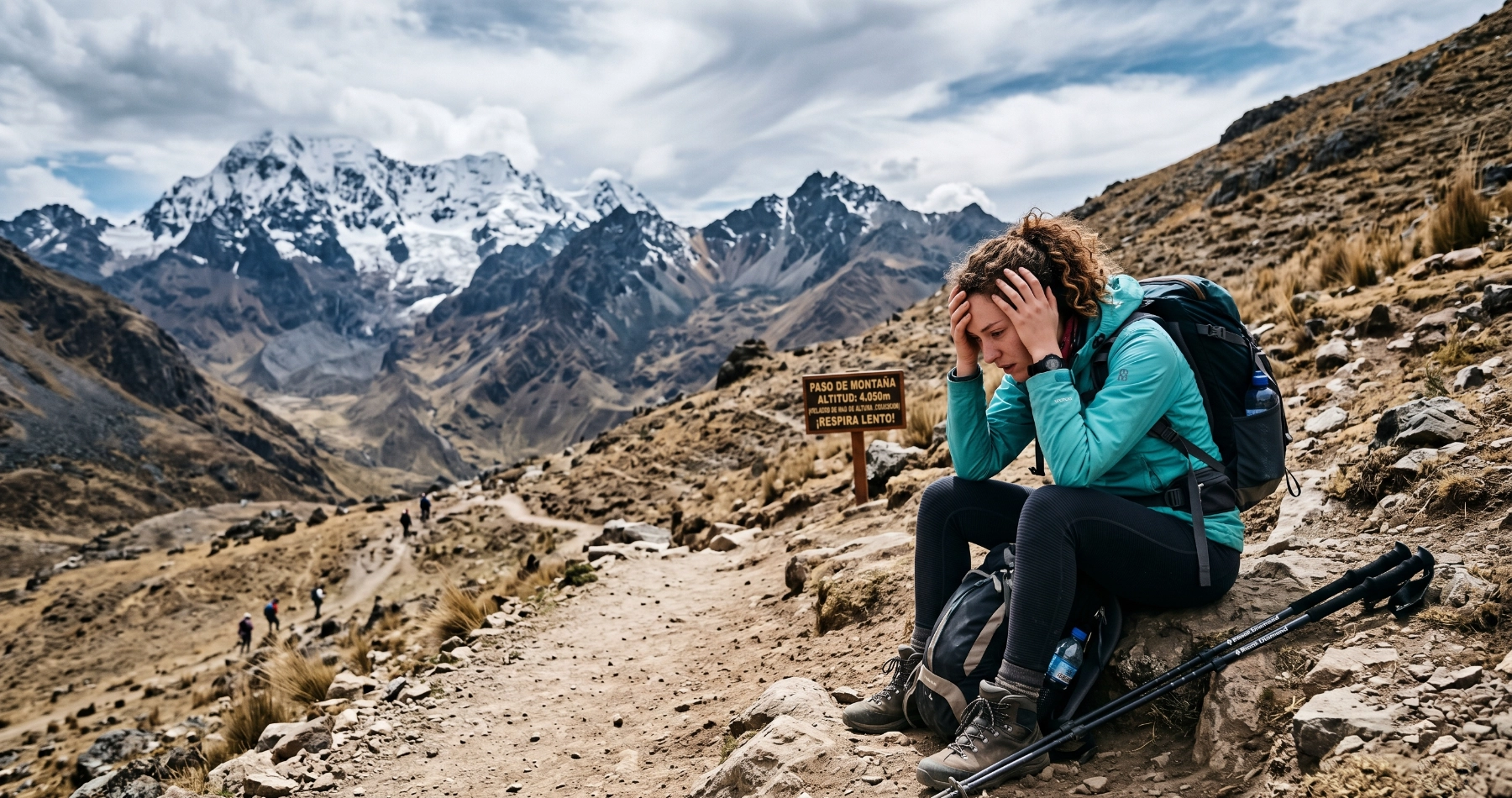
How to Avoid Altitude Sickness in Cusco: The Ultimate Guide

Planning a trip to the land of the Incas is one of the most exciting adventures you can experience. However, there is one factor that often raises questions and concern among travelers: the famous altitude sickness in Cusco, known locally as soroche.
Arriving in a city thousands of meters above sea level is a drastic change for your body. But don’t let fear hold you back! Soroche does not depend on your physical fitness, and it is completely manageable if you know how to prepare.
In this comprehensive guide, we share everything you need to know to prevent it and enjoy your adventure to the absolute fullest from the very first minute.
Table of Contents
What is Soroche and Why Does It Happen?
Acute Mountain Sickness (AMS), or soroche, occurs due to lower atmospheric pressure at high altitudes. Because the air pressure is lower, the air is “less dense,” which reduces the amount of oxygen available in each breath.
As a result, the oxygen concentration in your blood drops, and your organs receive less oxygen than they are accustomed to processing. The human body distributes oxygen through the bloodstream, and this natural process begins to change at around 2,400 meters above sea level (approx. 7,870 feet). Given that Cusco sits at 3,400 meters above sea level (11,152 feet), it is completely normal for your body to notice the difference immediately.
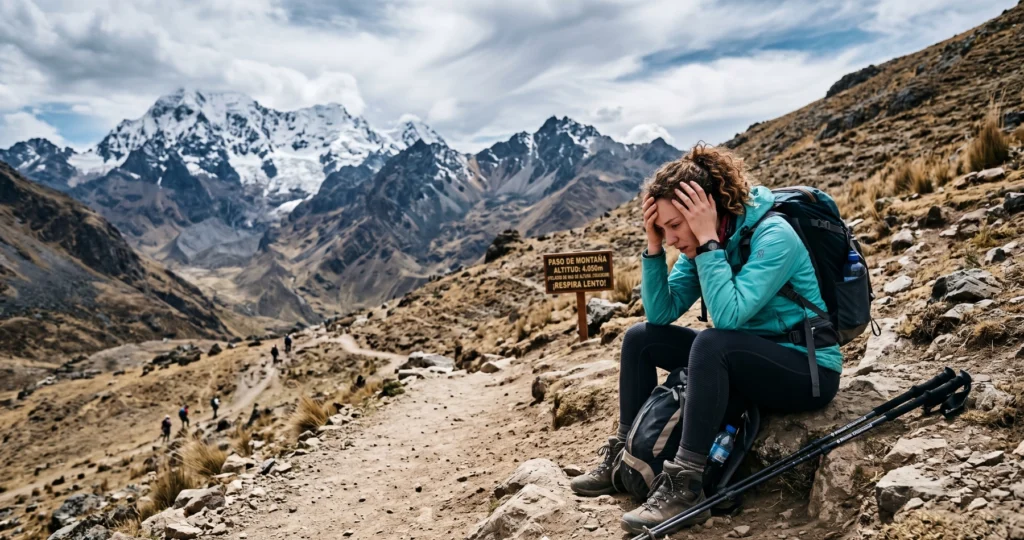
Altitude Sickness Symptoms You Should Recognize
The brain is one of the most sensitive organs to a decrease in oxygen. Because of this, most symptoms manifest neurologically and digestively. The most common include:
- Throbbing or persistent headache.
- Sharp dizziness and slight loss of balance.
- Shortness of breath or rapid breathing with minimal effort.
- Constant fatigue or physical weakness.
- Nausea, loss of appetite, and a feeling of disorientation.
⚠️ When to Seek Help?
There are more severe symptoms that, although rare, require immediate medical attention. These include shortness of breath even while resting completely, intense chest tightness, or a blue or purple tint on the lips and skin (cyanosis). Recognizing these signs early will help you take the right steps.
Practical Tips: How to Prevent Altitude Sickness in Cusco
The human body has an incredible capacity to adapt—a process known as acclimatization. By following these traditional and medical recommendations, you can mitigate the effects of soroche:
1. Take it Easy on Day One
Your best ally is rest. When you step off the plane or bus, walk slowly, take stairs one step at a time, and avoid lifting heavy luggage abruptly. Give your body the first 24 hours to understand and adjust to the change in air pressure.
2. Eat Light and Stay Well Hydrated
Digestion slows down considerably at high altitudes. During your first few days, opt for a diet rich in fruits, vegetables, and Andean grains (such as quinoa or kiwicha). Avoid greasy, heavily spiced foods, and stay away from alcohol. Additionally, make sure to drink 2 to 3 liters of water daily to keep your body stable.
3. The Ancestral Secret: Coca Leaves
Coca leaves were sacred to the Incas, and modern science backs up their benefits. They contain more than 15 natural alkaloids that act as body regulators, helping to oxygenate the blood and alleviate fatigue. You can chew them directly (the traditional method called chacchado) or drink them in a hot infusion (coca tea), which you will find available at almost any hotel upon arrival.
4. Medical Assistance (Pills and Oxygen)
If you prefer an over-the-counter pharmacy option, you can purchase Sorojchi Pills at any local drugstore in Cusco without a prescription. These pills help reduce headaches and dizziness. Small, portable oxygen canisters called Oxishot are also widely available and perfect for a quick breath of fresh air that simulates sea-level pressure.
Keep an Eye on Altitudes Across Cusco
The city of Cusco is just your starting point, but many of the region’s most famous tourist attractions are located at considerably higher elevations. It is crucial to plan your activities from lowest to highest altitude:
| Destination / Attraction | Altitude (m.s.n.m. / Feet) | Recommended Effort Level |
| Sacred Valley | 2,800 m / 9,186 ft | Low (Perfect for the first days) |
| Cusco City | 3,400 m / 11,152 ft | Moderate (Ideal for days 1 and 2) |
| Machu Picchu Citadel | 2,430 m / 7,972 ft | Moderate (Low altitude risk) |
| Warmihuañuska Pass (Inca Trail) | 4,200 m / 13,779 ft | Demanding (Requires prior acclimation) |
| Rainbow Mountain (Vinicunca) | 5,200 m / 17,060 ft | Very Demanding (Save for the end of the trip) |
| Humantay Lake | 4,200 m / 13,779 ft | Demanding (Do not attempt on day 1) |
Pro Travel Tip: An excellent travel strategy is to head straight down to the Sacred Valley of the Incas (which sits at a lower altitude of around 2,800 m) for your first few nights. Your body will acclimate much faster and with fewer side effects before you return to Cusco or climb higher up the mountains.
Don’t let soroche take away your desire to explore! With proper hydration, a relaxed pace, and a warm cup of coca tea, you will be ready to conquer the wonders of Cusco.
Experience a Worry-Free Journey with Perú Cumbres
At Perú Cumbres, your health and comfort are our top priorities. All of our trekking itineraries and cultural tours are carefully designed to include optimal acclimatization days. Furthermore, our team carries first aid kits and auxiliary oxygen on every excursion to ensure you are safe every step of the way.
Planning your trip to Cusco? Contact us today, and let us design the perfect, safe itinerary for your Andean adventure!
Design Your Own Custom Trip
Don't just take others' word for it. Explore Peru with local experts.
Book an AdventureTours Recomendados
Further Reading
June 23, 2026
June 23, 2026